
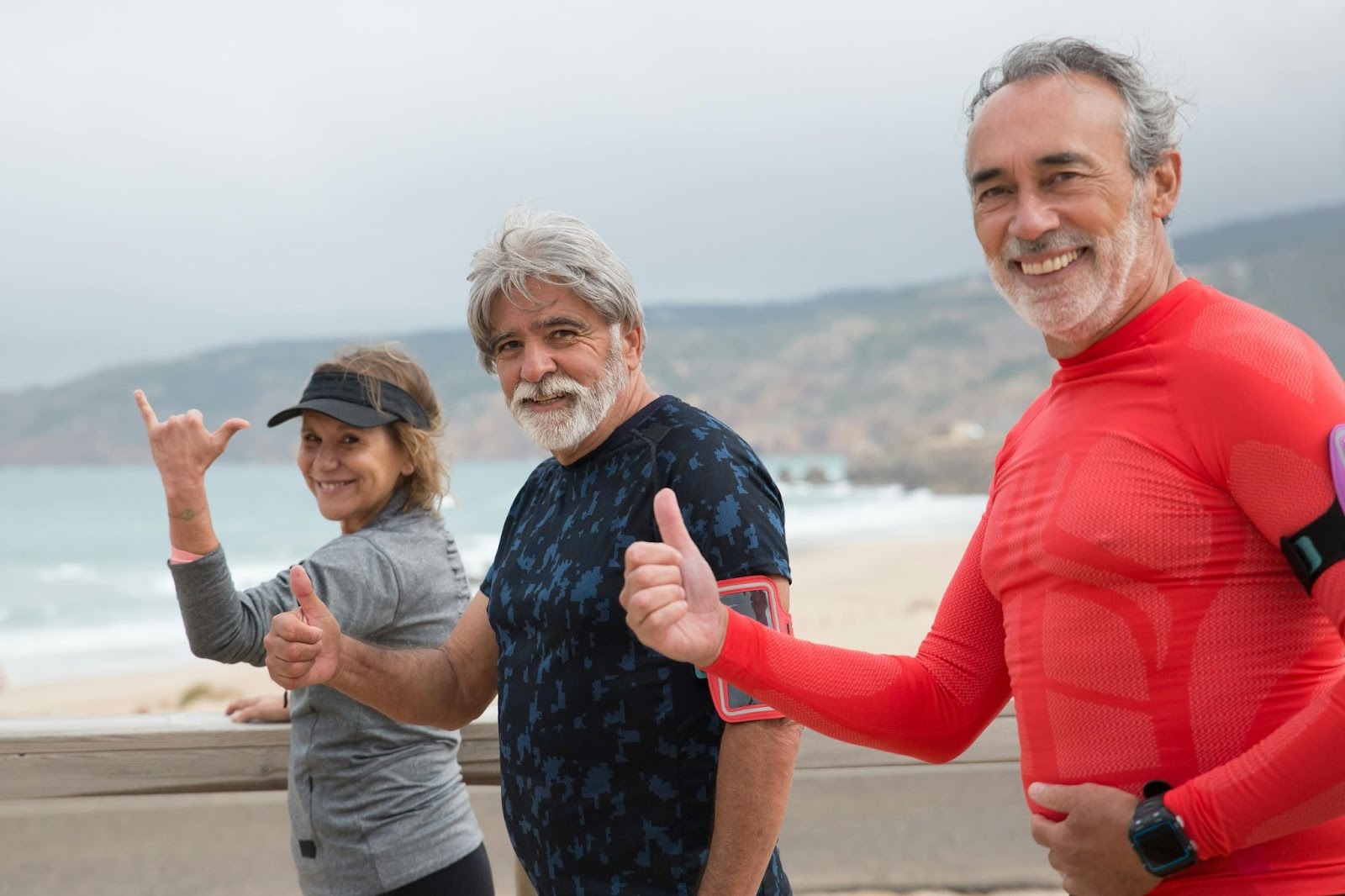
The golden years should be about so much more than just passing time, they’re an opportunity to embrace joy, discover new purposes, and create meaningful experiences that truly enrich each day. For seniors, staying active through engaging activities isn’t just about filling up the calendar; it’s about preserving physical health, keeping the mind sharp, and nurturing emotional well-being in ways that matter. Study after study shows that older adults who regularly participate in activities they enjoy report higher satisfaction with life, better health outcomes, and stronger connections with the people around them. When families, caregivers, and seniors themselves understand just how powerful these activities can be, they’re better equipped to make choices that enhance daily life.
Physical Health Benefits of Active Engagement
There’s something almost magical about how regular physical activity transforms senior health in ways both big and small. Whether it’s a morning walk around the neighborhood, some gentle swimming, chair yoga, or simple stretching exercises, these movements help seniors maintain the muscle strength, flexibility, and balance that are absolutely critical for preventing falls and staying independent. Beyond just feeling better in the moment, these activities support heart health, help manage blood pressure, reduce the risk of heart disease, and keep blood flowing properly throughout the body. For seniors dealing with chronic conditions like arthritis, diabetes, or osteoporosis, consistent movement becomes a powerful management tool that often works better than anyone expects.
Mental Stimulation and Cognitive Health
Keeping the mind engaged through stimulating activities works like a gym workout for the brain, and the results can be just as impressive. When seniors dive into puzzles, get lost in a good book, learn new skills, play musical instruments, or take educational classes, they’re actually challenging their brains to create fresh neural pathways. This mental exercise does wonders for maintaining cognitive function, sharpening memory, and enhancing the ability to solve problems, even as the years add up. What’s particularly encouraging is that research shows seniors who regularly engage their minds experience slower cognitive decline and may actually reduce their risk of developing dementia or Alzheimer’s disease.
Social Connection and Emotional Well, being
: one of the toughest challenges many older adults face is the creeping sense of isolation and loneliness that can settle in. That’s where social engagement through group activities becomes absolutely vital. Participating in group exercise classes, joining a lively book club, enjoying regular card games, or attending community events creates those precious opportunities for meaningful interaction with peers who genuinely understand similar experiences and share common interests. These social connections become lifelines, support networks that offer emotional comfort when needed, practical help in a pinch, and that irreplaceable sense of belonging that becomes increasingly important with age. What researchers have found is that regular social interaction is directly linked to lower rates of depression and anxiety among seniors, largely because the companionship and conversation give each day purpose and something to genuinely look forward to. Group activities also open doors to new friendships, which can be especially valuable for those who’ve experienced the heartbreak of losing long-time companions or have made the big move to new communities like Addington Place of Shiloh . The laughter that bubbles up during activities, the easy conversation that flows, and the shared experiences all contribute to positive emotional states and actively push back against feelings of isolation. Intergenerational activities that bring seniors together with younger folks offer something extra special, they foster mutual understanding, give seniors chances to share the wisdom they’ve accumulated, and help them feel valued and genuinely connected to the bigger picture of community life.
Purpose and Sense of Achievement
When seniors engage in activities that truly mean something to them, it provides this beautiful renewed sense of purpose that goes way beyond just getting through the daily to, do list. Volunteering opportunities, mentoring younger people, or getting involved in community projects allow older adults to contribute the knowledge, skills, and hard-won experience they’ve gathered over a lifetime to causes they care deeply about. This ability to give back reinforces feelings of value and relevance, feelings that are absolutely essential for maintaining a positive self-image and overall life satisfaction. Goal-oriented activities, whether that means learning a new language, completing a detailed craft project, or working steadily toward fitness milestones, add structure to days and create something concrete to anticipate and work toward.
Variety and Personal Choice in Activities
Here’s something that can’t be emphasized enough: offering diverse activity options is absolutely crucial when we’re talking about senior engagement and quality of life. Every single person brings unique interests, different abilities, and personal preferences to the table, and those differences deserve to be honored and accommodated thoughtfully in activity planning. Some seniors naturally gravitate toward quiet, solitary pursuits like reading or needlework, while others come alive in dynamic group settings filled with music and animated social interaction. Providing genuine choices empowers seniors to take control of their daily experiences and maintain that precious autonomy over how they spend their time.
Conclusion
The remarkable impact that engaging activities have on senior quality of life reaches into every corner of well-being, physical health, mental sharpness, emotional balance, and social connection all benefit tremendously. From keeping bodies strong and minds alert to nurturing friendships and providing genuine purpose, meaningful activities stand as essential building blocks of what successful, satisfying aging looks like. The real secret to maximizing these benefits? It’s all about offering diverse, accessible, and personally meaningful options that genuinely respect individual preferences while gently encouraging regular participation. As our collective understanding of healthy aging continues to deepen and evolve, the evidence increasingly points to one undeniable truth: active engagement plays an absolutely vital role in helping seniors live fuller, happier, and more satisfying lives.