
UBS has cut its Brent crude forecast after indirect talks between the United States and Iran reduced fears of further disruption in the Strait of Hormuz, pushing oil prices lower for a third consecutive session. Brent futures fell 0.9% to $70.91 a barrel on Thursday morning, while US West Texas Intermediate dropped 0.9% to $67.99.
The market reaction followed meetings in Doha involving American and Iranian representatives communicating through regional mediators. Qatar said the discussions had made progress, although no final settlement was reached. The talks build on the memorandum of understanding signed on June 18, which covered an end to military operations and freedom of navigation through the Strait of Hormuz.
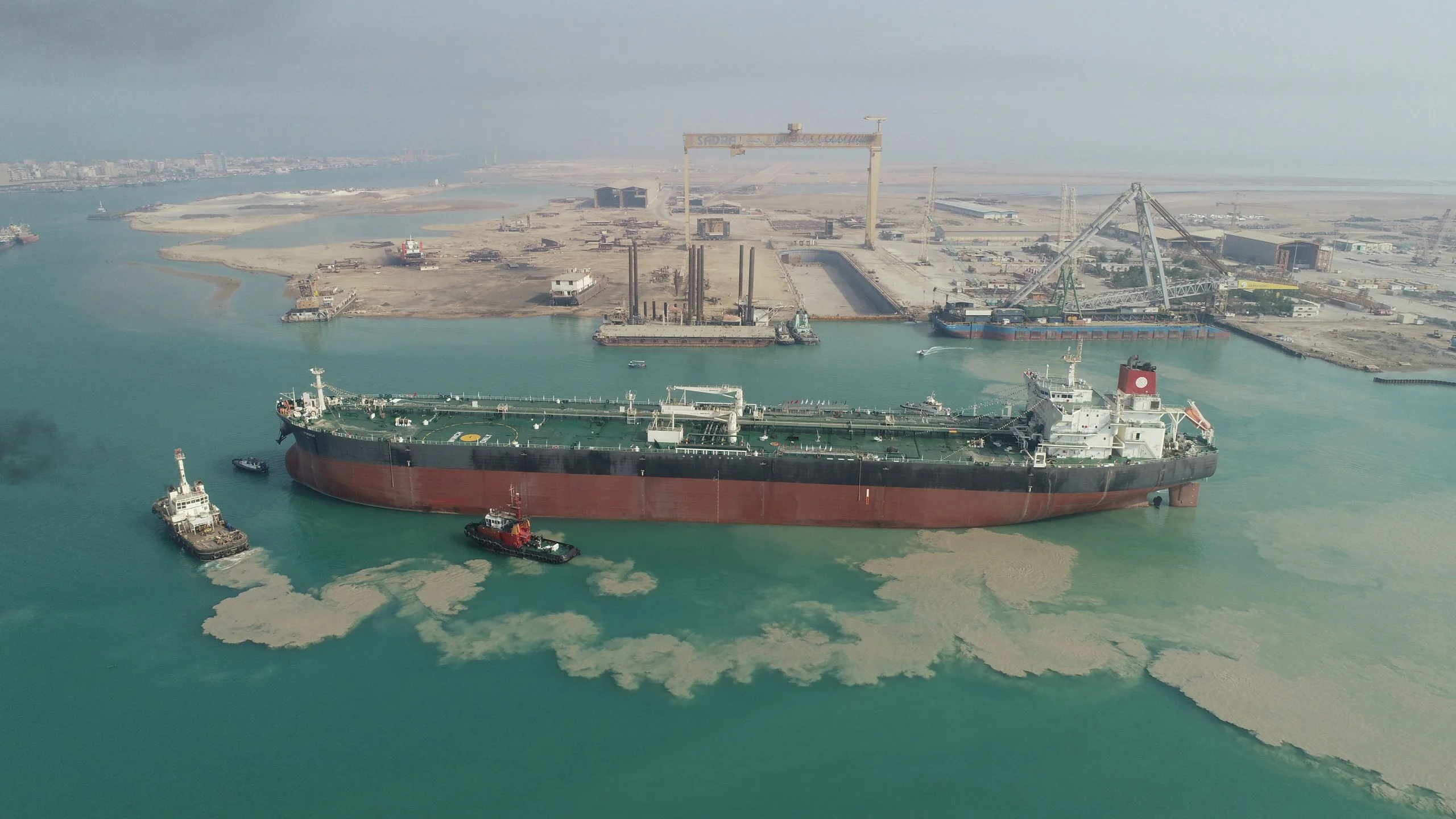
Improved tanker movements have begun to remove part of the geopolitical premium that drove crude prices sharply higher earlier in the conflict. The Strait carries a substantial share of global petroleum trade, making any restriction on shipping a direct risk to physical supply, freight costs and energy prices. Renewed flows do not mean conditions have fully normalised, but they have reduced the probability of the most disruptive market scenarios.
UBS lowered its average Brent forecast for the third quarter of 2026 by $25 to approximately $80 a barrel and expects prices to remain around that level during the final quarter. Its average forecast for 2027 was reduced by $10 to $75 as the bank incorporated stronger oil movements through the Strait and a lower risk premium into its projections.
The revised forecast remains above current market prices, reflecting the possibility that rebuilding inventories and restoring Gulf supply chains will take time. The International Energy Agency expects global oil supply to decline by an average of 3.9m barrels a day in 2026, despite a gradual recovery in Middle Eastern exports. It has warned that mine clearance, transit arrangements and operational constraints could delay a complete return to pre-conflict flows.
HSBC has taken a comparatively firmer view of the recovery, arguing that returning Middle Eastern supply could be absorbed through inventory restocking once emergency releases from strategic reserves subside. Its analysis indicates that Brent could recover towards $80 a barrel, highlighting how low commercial stocks may continue to support prices even as immediate supply fears ease.
The inventory position creates an important distinction between reduced geopolitical risk and an outright oversupplied market. IEA member countries agreed in March to release 400m barrels from emergency reserves after disruption across the Middle East, the largest coordinated stock release in the organisation’s history. Those barrels helped relieve short-term pressure, but the IEA reported that observed global stocks continued to fall sharply during the conflict.
OPEC+ production decisions will provide another influence on the second-half price outlook. Seven participating countries agreed in May to increase June output by 188,000 barrels a day, while retaining the flexibility to adjust supply as market conditions change. A faster restoration of Gulf exports combined with additional OPEC+ production could place further pressure on prices, particularly if global demand remains weak.
The fall in crude offers some relief to businesses exposed to transport, manufacturing and energy costs, but the divergence between current prices and bank forecasts shows that hedging decisions remain difficult. Companies locking in fuel or commodity contracts must balance the benefit of lower spot prices against the risk that negotiations fail, shipping is disrupted again or inventory rebuilding drives a renewed increase.
The financial impact of the Doha discussions will therefore depend on whether improved tanker traffic becomes permanent. Sustained access through the Strait would reduce inflation pressure and lower working-capital requirements across energy-intensive sectors. A breakdown in negotiations could restore the geopolitical premium quickly, leaving oil markets sensitive to each diplomatic and security development.